Civic Engagement

Civic engagement begins with paying attention.

From hemming neighbors' pants to mapping resources for delivery riders, resolving a stalled community repair, and speaking with students about civic responsibility — I explore how trust, participation, and public action take shape at very different scales.

01

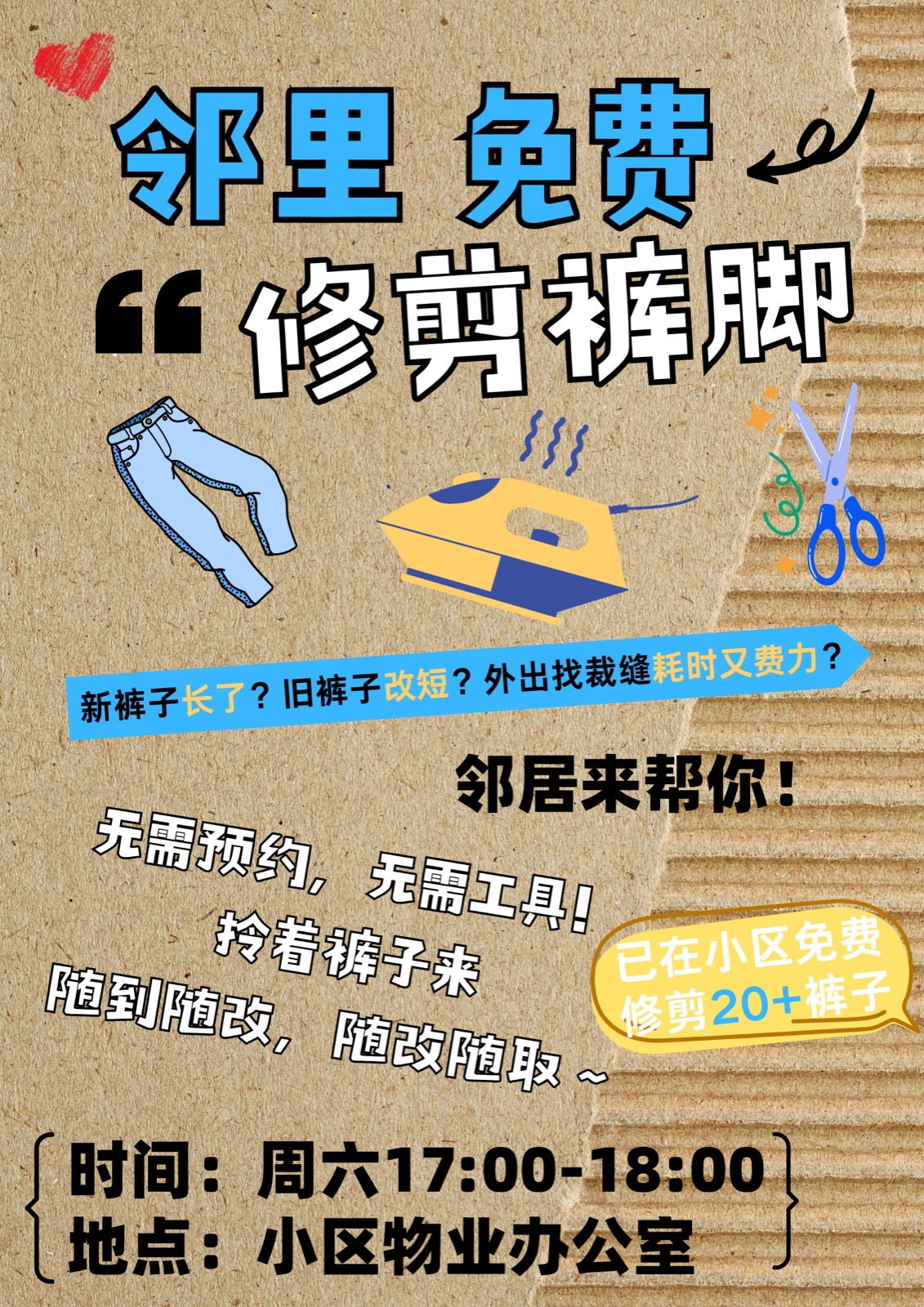
Pants Hemming: Saturdays by the Ironing Board

A weekly neighborhood service — measuring community not by scale, but by the people I came to know

0+ trousers hemmed
0residents served
0Saturday sessions
2025.5Since May 2025

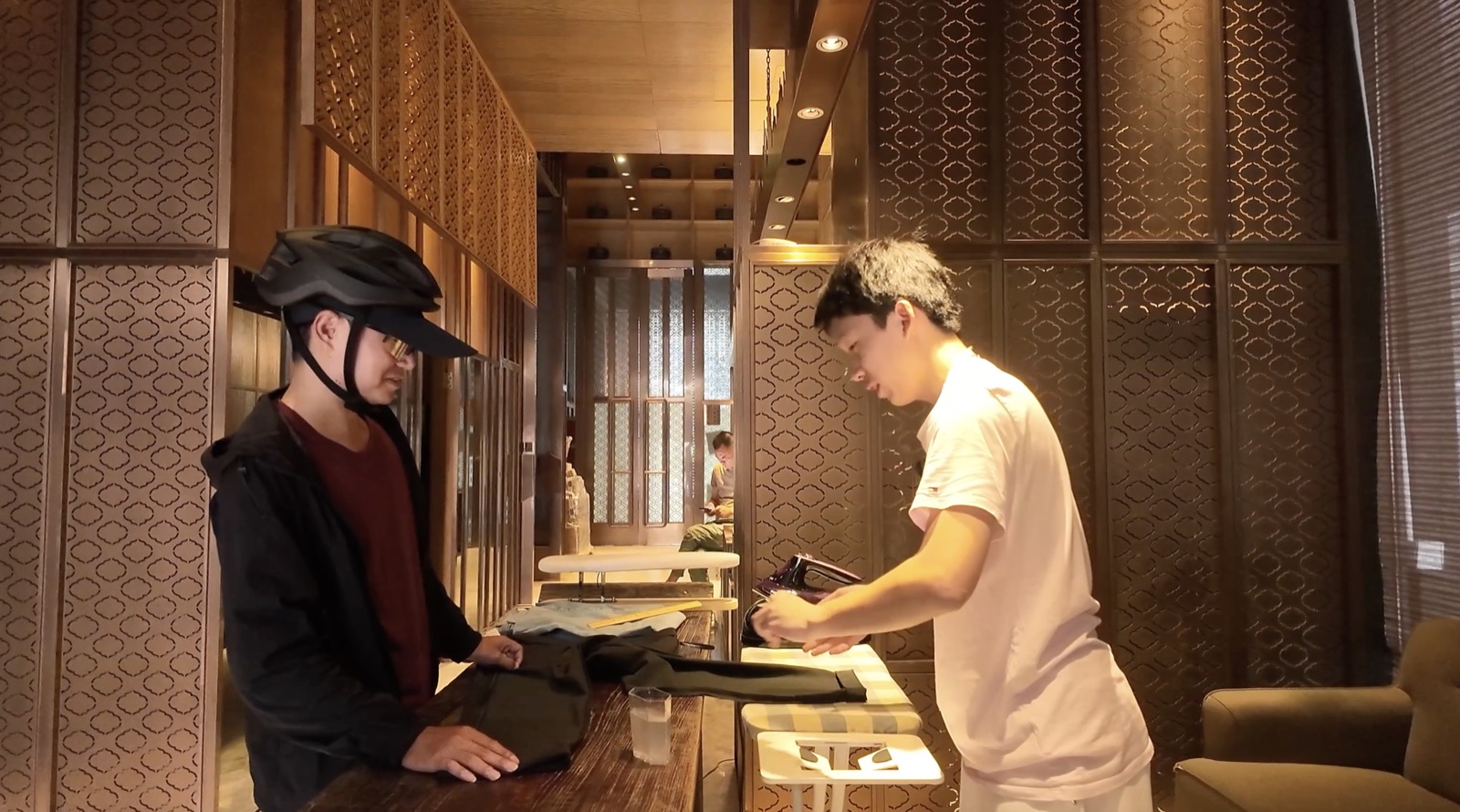
After my grandparents moved to Shenzhen, my father set up an ironing board every Saturday at four, hemming neighbors' trousers for free. At first I helped reluctantly — I thought it was too small to matter. I could speak to hundreds of students; he might hem two or three pairs an afternoon.

But after enough Saturdays, the "trivia" stopped feeling trivial. I met a grandmother who had sold her textile factory to accompany her daughter through school, a housekeeper who spoke candidly about education and work. Gradually I learned to mark hems, press fusible strips, and run the table myself. A resident picked up his trousers and said: "Nicely done."

The ironing board I once dismissed became my entrance into the community — understanding it by remembering concrete people, one by one.
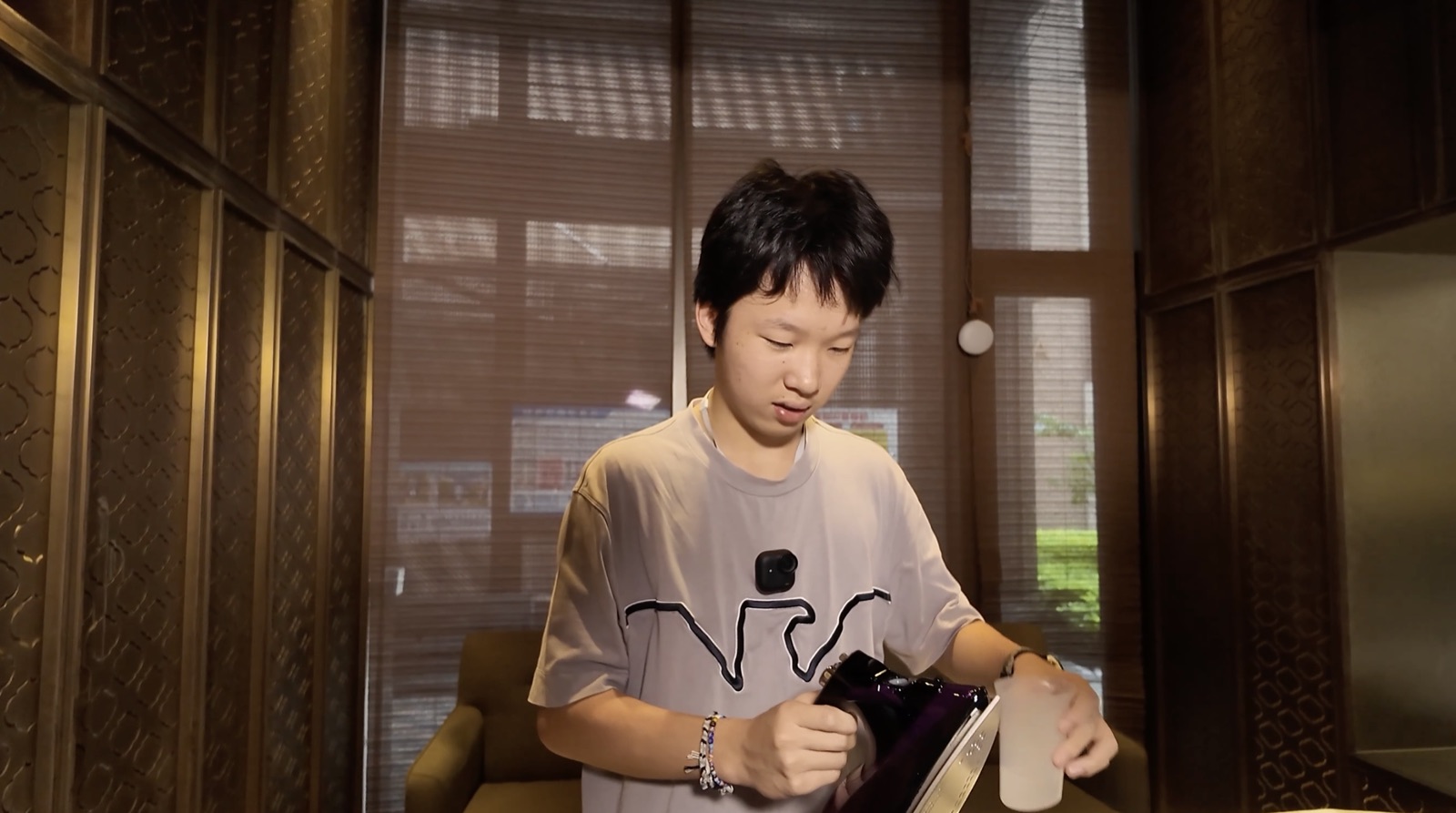
A Few Centimeters Shorter · YouTube version coming soon
02

Delivery Rider Research → Rider Care Map & Rider Restart Initiative

From a cup of water → a map → a longer-term support project

🏆 High Distinction & Global Finalist (Top 8%)China Thinks Big · Most Popular Project (Top 10%)

0survey responses
0riders surveyed
0rest stations mapped
0+ map views
0+ monthly active users
0+ riders in courses
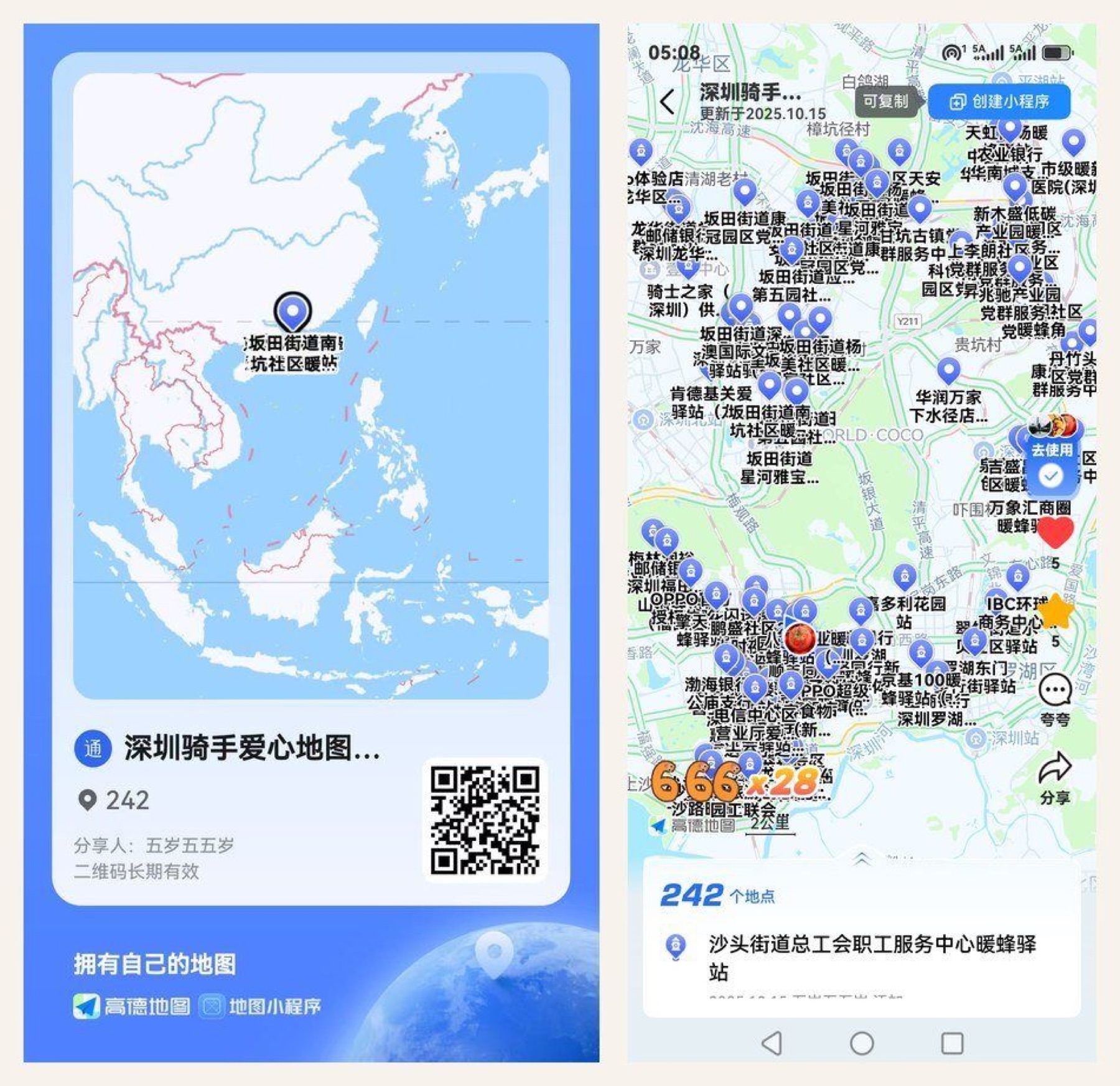
Shenzhen Rider Care Map showing 242 rest stations
Shenzhen Rider Care Map · 242 rest stations

During fieldwork, a rider told me one of the greatest luxuries in his day was "sitting long enough to finish a cup of water." That comment led me to pin the city's "Warm Bee" rest stations onto Amap — 242 locations where riders can rest, drink water, charge phones.

But a map could only answer: where can a rider rest today? It couldn't answer a harder one: what comes after delivery work?

In December 2025, with the Shenzhen Social Welfare Foundation, we launched Riders Restart — three stages: Set Sail (micro-courses & learning resources), Voyage Plan (skills training & certification), Friendly Employer (career-transition connections). Six micro-courses are live, 100+ riders participating.

Partnered with Shenzhen Social Commonweal Foundation & CSRDC.

Read More · Riders Restart 项目书 Read More · Research Paper Read More · Implementation Plan
03

One Broken Escalator, One Step Forward

My first lesson in how local governance actually moves

0+ households canvassed
40→70%resident support
0stakeholder meetings
4+3property / gov meetings

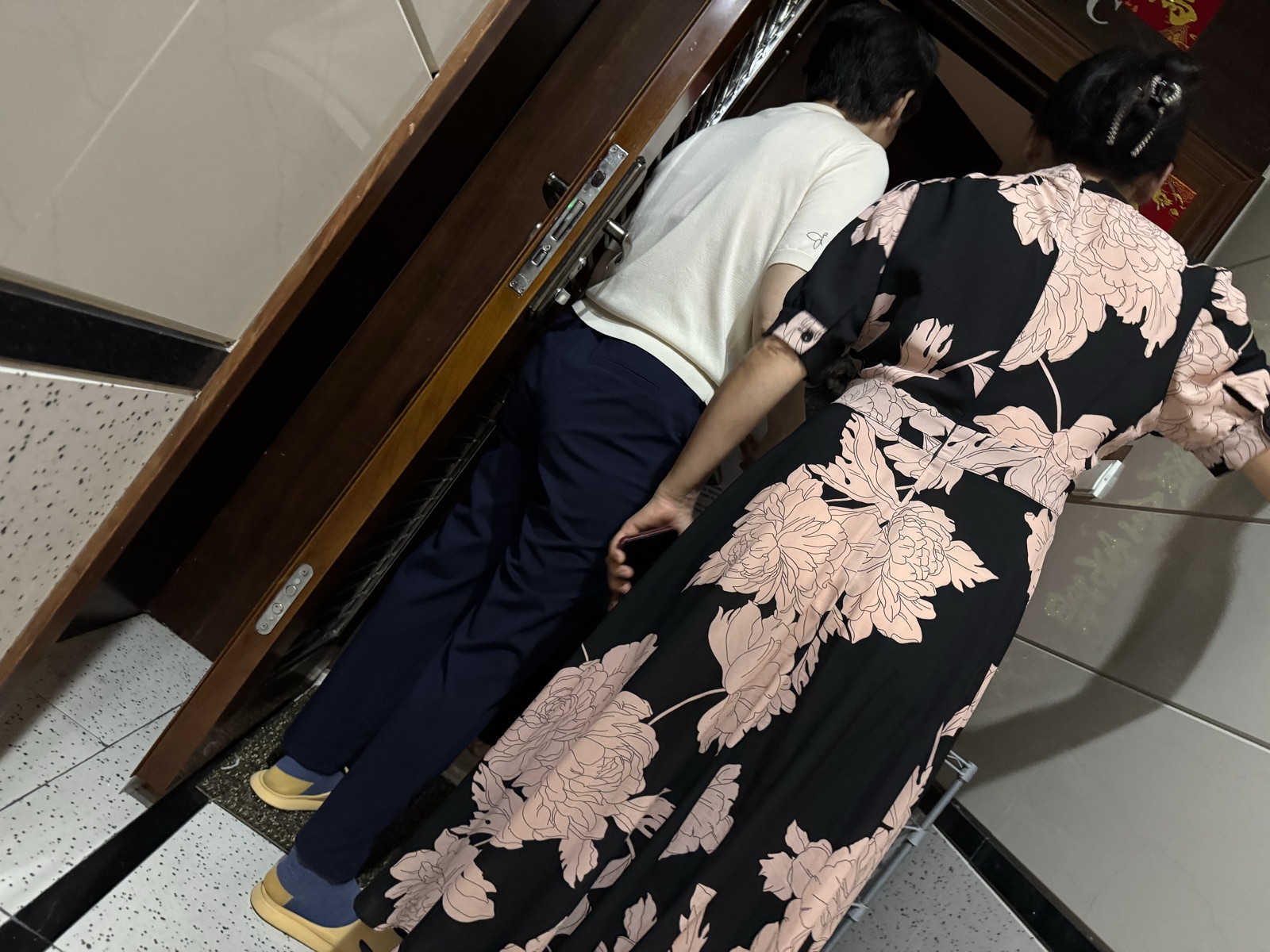
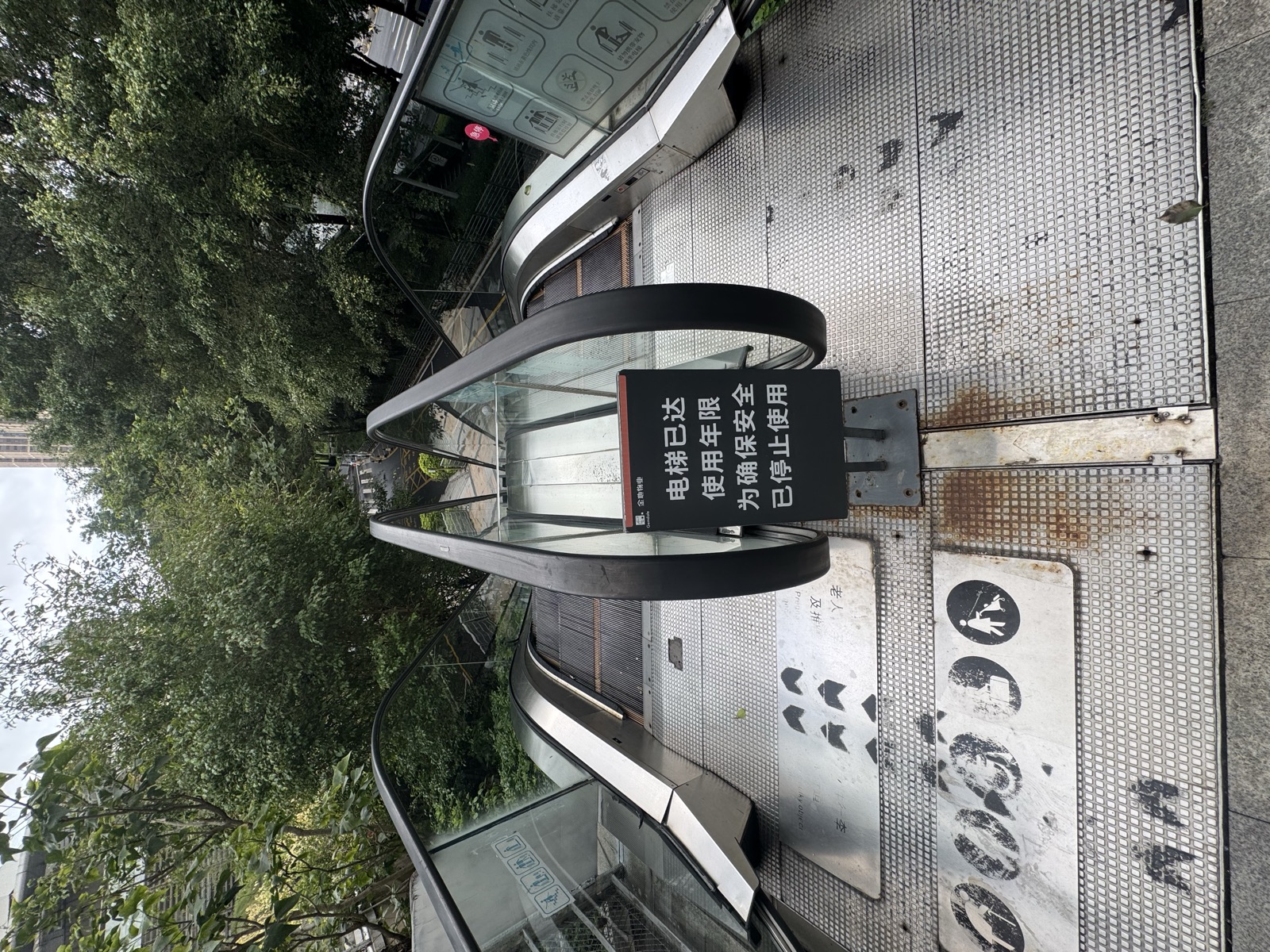
At my aunt's compound, an escalator had been broken for five or six years — for elderly residents, a long detour. We drafted a repair proposal and collected signatures toward the 20% owner-consent threshold.

Some residents asked: "I use another entrance. Why should I pay?" So we reframed the proposal — from assistance for a minority to shared infrastructure: accessibility, appearance, property value. We compared repair costs with long-term benefits and joined a door-to-door working group.

When the property manager said, "Not bad. Let's start collecting responses," the escalator was still broken — but the project had finally moved forward. Public problems rarely advance through moral certainty alone; they need listening, procedure, and common ground.

📄 目前状态:已提交修订提案,待业主大会流程。

Proposal PDF · pending upload
04

The Light on the Podium, and the Questions Beyond It

iNeon Youth Talks · Mistaking seeing for understanding

🏆 Most Compassionate Award · 4th Public Welfare Forum for Secondary School Students

0talks across 6 schools
0+ students reached
0+ feedback postcards
0+ schools / 9 provinces org reach

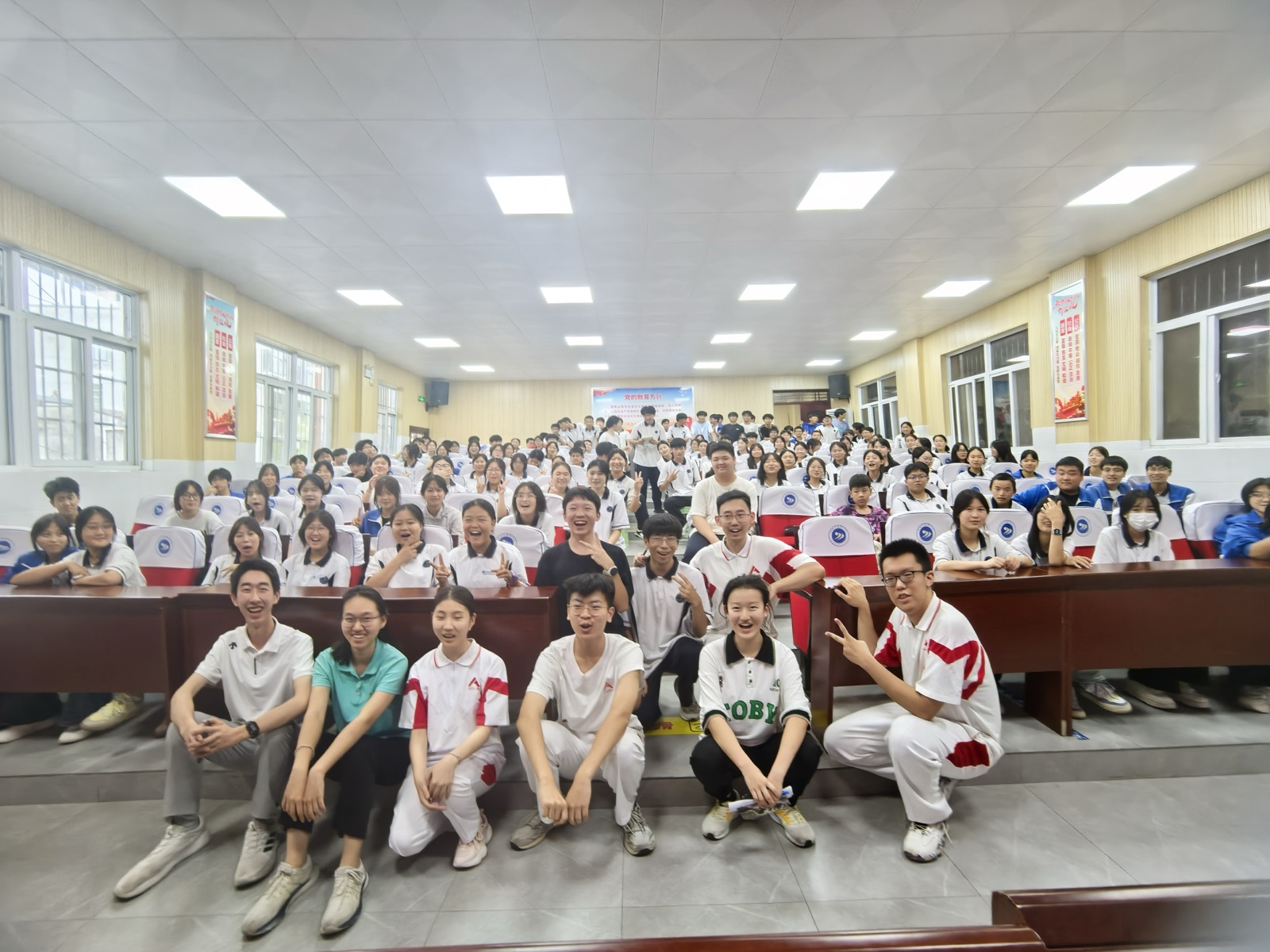
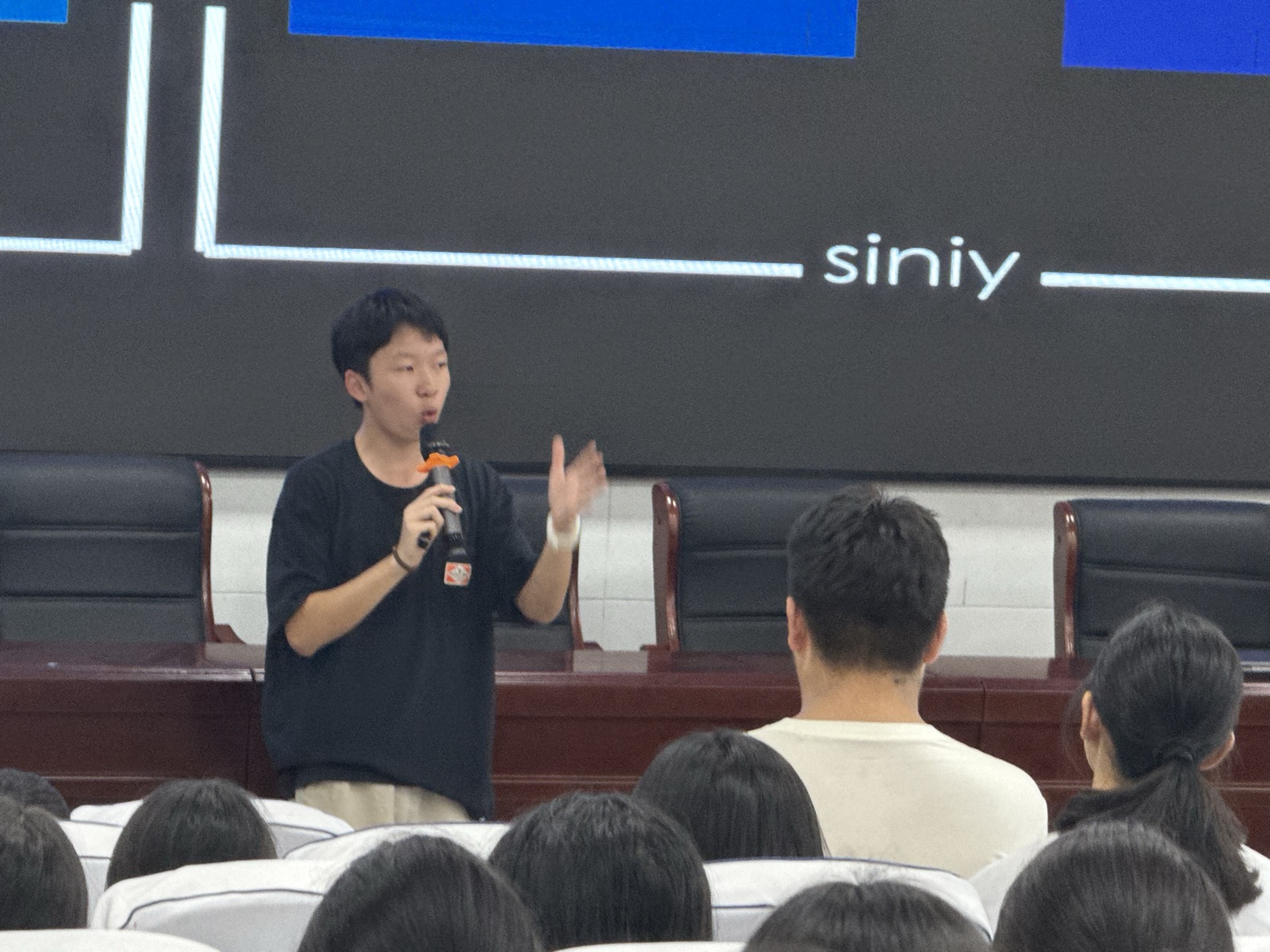
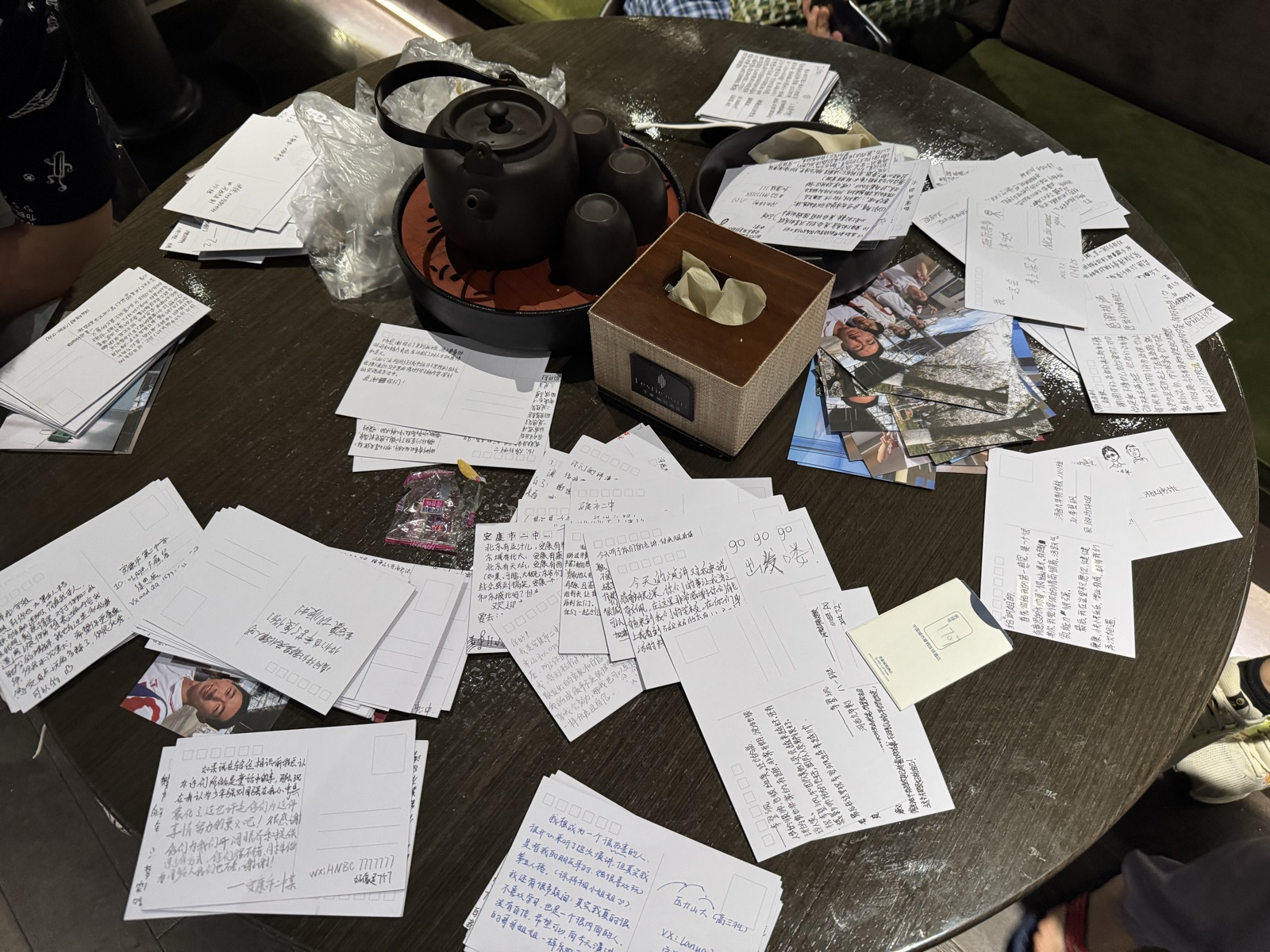
In July 2024, I traveled to Ankang, Shaanxi with iNeon Youth Talks, speaking about democratic principles on campus and using legitimate channels to speak up. Postcards, local media — for a while I believed we were bringing "enlightenment."

On the ride home, my father asked: "Don't you think you may be taking yourselves too seriously?"

Much later, listening to families around our neighborhood ironing board, I understood. For many families, the gaokao may be the most realistic path toward a different future. We had stood on podiums offering answers before fully understanding the questions people were living with.